
Disability and Mental Well-being
Knowing how disability and mental health connect matters because it affects many lives deeply. Seeing friends go through both showed me how one struggle can topple the other like a row of dominoes. Many folks don’t realize how closely linked they are, but understanding this bond can bring more real kindness and help. About one in five adults in the U.S. face mental health challenges, and lots of them also deal with disabilities. That means many suffer in silence when no one looks closely. It’s like stress piling up when tough times stack high—mental health often takes a hit when physical problems appear. Spotting this connection can change how people get care and boost their chances of feeling stronger. Ever wonder how disability affects mental health and what hidden ways exist to make a difference? Stick around, because some surprising facts might totally flip your thinking and change the way you see this important issue.
Understanding the Dynamics
To truly comprehend the impact of mental health within the context of disability, it’s crucial to unravel the intricate dynamics at play. Mental health is not a standalone facet of well-being; instead, it interweaves with various aspects of life, especially when an individual is navigating the challenges posed by a disability. The societal, psychological, and physical dimensions converge to create a unique landscape that necessitates a nuanced understanding.
Breaking Stigmas: The Power of Awareness
One of the primary obstacles faced by those at the intersection of disability and mental health is the prevalence of stigmas. Societal perceptions and misconceptions often contribute to a sense of isolation and discrimination. Addressing these stigmas is a crucial step towards fostering an inclusive environment that nurtures both mental well-being and disability acceptance.
Holistic Approaches to Well-being
In our quest for a healthier society, it’s imperative to adopt holistic approaches that cater to the multifaceted needs of individuals facing the intersection of disability and mental health challenges. This involves not only addressing mental health issues but also creating an inclusive space that empowers individuals to thrive despite their disabilities.
The Role of Support Systems
Support systems play a pivotal role in shaping the narrative around mental health and disability. Whether it’s through community initiatives, educational programs, or accessible healthcare services, a robust support system can significantly enhance the well-being of individuals navigating this intersection. Understanding the importance of empathy and active support is key to creating a conducive environment.
Navigating Workplaces: Inclusion and Accessibility
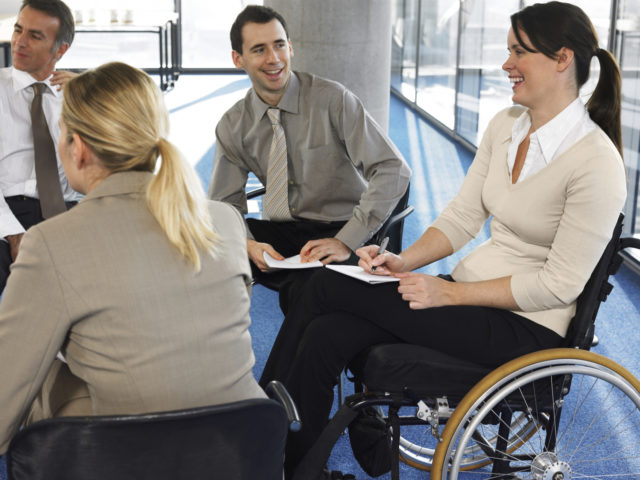
The workplace is a microcosm of society, and fostering inclusion and accessibility is paramount. Companies and organizations need to prioritize creating environments that accommodate the unique needs of individuals with disabilities, ensuring that mental well-being is a central focus. This not only benefits the individual but contributes to a more diverse and resilient workforce. For more insights and further information about disability, be sure to visit Barry Scouts to learn more.
Cultivating Resilience: A Personal Journey
Amidst the challenges posed by the intersection of disability and mental health, there are countless stories of resilience and triumph. Personal narratives shed light on the strength that individuals possess, challenging stereotypes and inspiring others to embrace their unique journeys. Celebrating these stories is integral to reshaping societal perceptions.
Conclusion: Embracing Diversity for a Healthier Future
In conclusion, the intersection of disability and mental well-being is a critical aspect of the broader conversation around mental health matters. By fostering awareness, breaking stigmas, implementing holistic approaches, strengthening support systems, and promoting inclusion in workplaces, we pave the way for a healthier and more inclusive future.